-

Not sure if the thought to make and improve 3D latte art is whimsical or just long-planned and waited till we have an expresso machine, but documenting how my partner progressed on 3D art journey.
-

There are many ways we eat chicken feet in restaurant. One of the two main ways dim sum restaurants serve is with wrinkly skin / “tiger skin” pattern. The wrinkly skin is separated from the bone and meat, easier to chew off and much softer, catering to main eaters of dim sum — older generation’s need for soft food. Traditional method to make the wrinkles / “tiger skin” pattern is to deep fry in hot oil to extract moist and create air in between skin and bone, but this method could be dangerous as hot oil might splash. Air-fryer provides a simpler option allowing to re-create this traditional way to cook chicken feet!
-

This is a second soy sauce chicken recipe I tried. The first one boils chicken in hot water first, while this one directly cook chicken in sauce, needs some time to pour sauce over skin to color and the chicken is much more tender.
-

Miso honey glazed seabass / cod is common as appetizer in Japanese restaurants / Izakaya, it is easier and quicker to make than I thought. I am very sensitive to the fishy taste, but miso and honey under high temperature covers that taste really well. It air-fry longer, the meat even tastes like crab / scallop! After a few trials and errors, finally found the perfect time and temperature (for my air fryer? and hopefully yours too!)
-
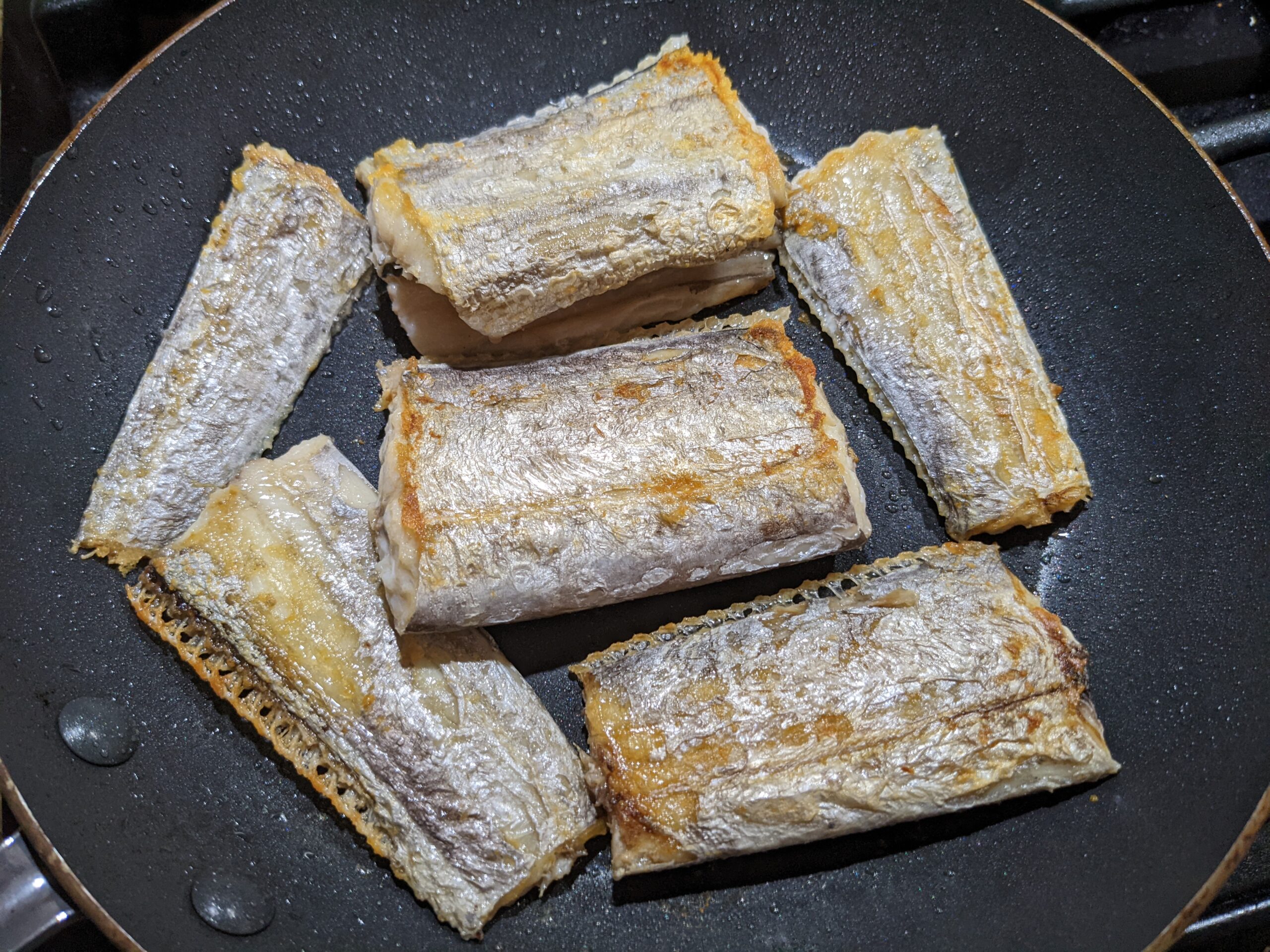
my dad’s best dishes as he always can make it not fishy and crispy. The process is not as complicated, but personally I like the thin belt fish chunks that are crisp rather than the thick belt fish chunks that are still moist. Cooking simply-marinated belt fish for a longer time over low heat will help!
-
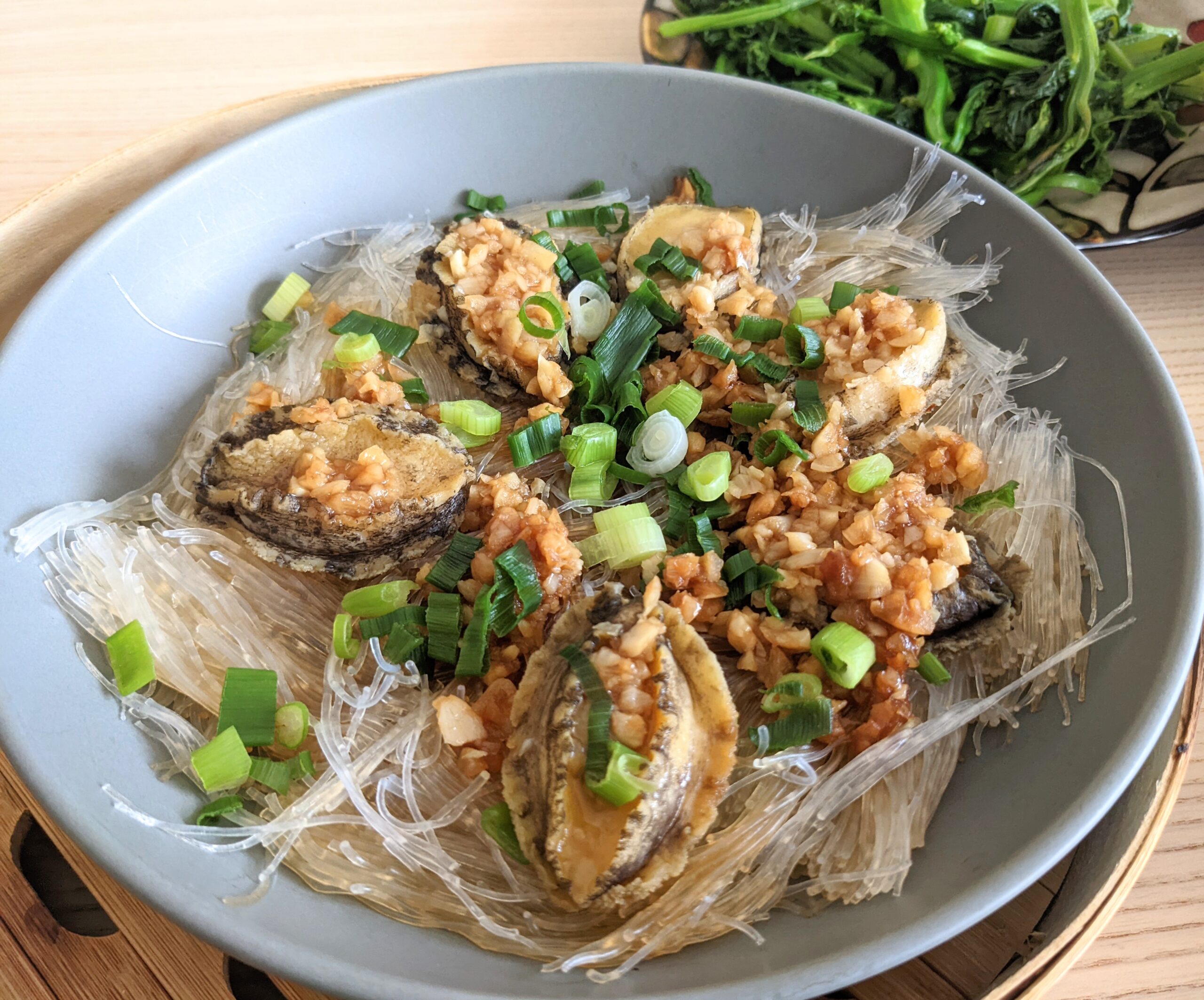
Cantonese likes the origin flavor of foods, especially seafood, and this dish is another classic example. When I was back home, I used to go to local market with mom and she would choose the large, live abalone; we went home, made simple sauce with soy sauce, oyster sauce, cooking wine and sugar. Along with garlic we poured the sauce over abalone on top of vermicelli. Within a short time, steamed abalone with garlic and vermicelli would be ready! Every bite of that tastes like ocean.
-
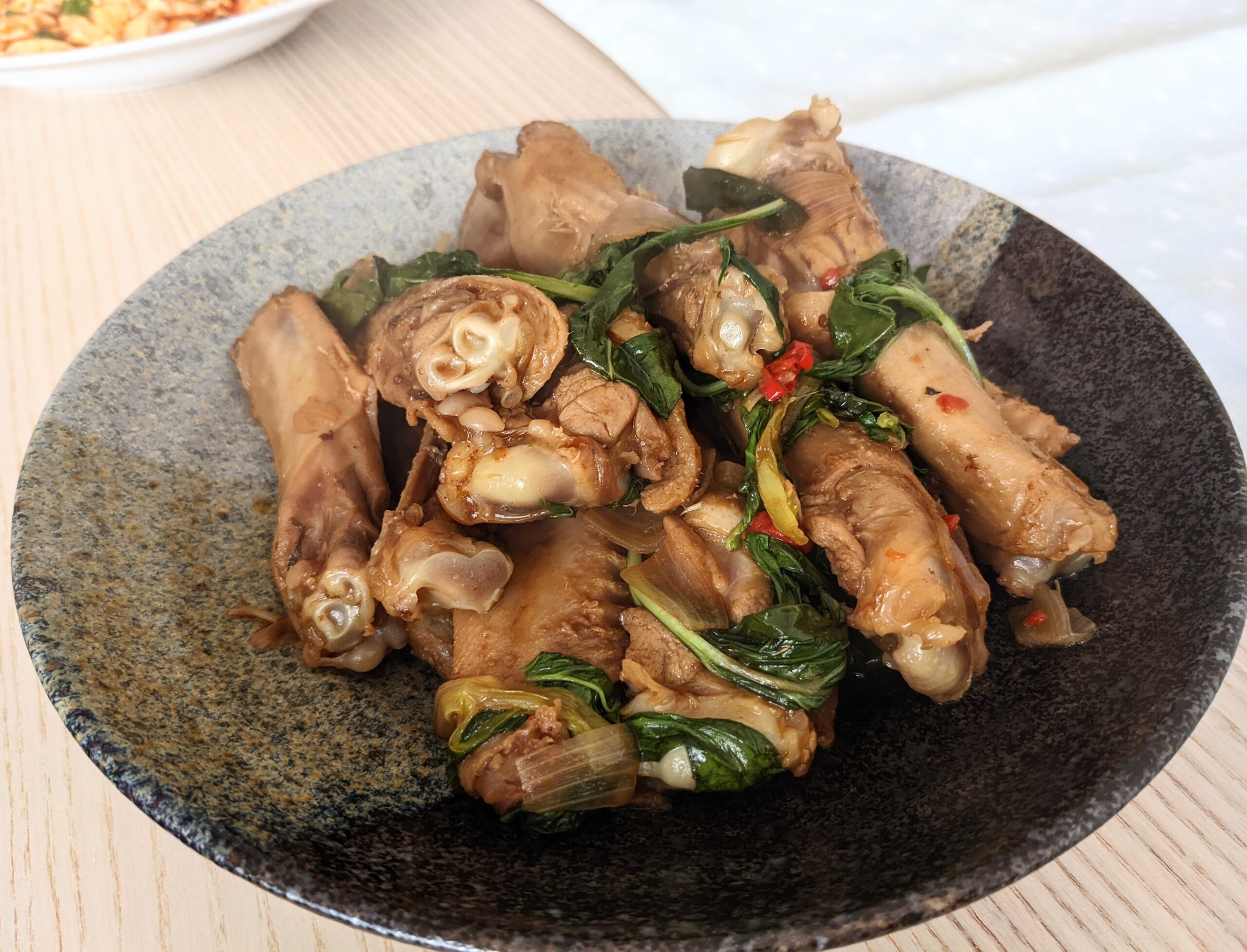
Last weekend I ordered takeout from China Bee restaurant in San Mateo, one of the dishes was Three Cup Chicken. The slight kick of spice and thai basil, brought out the chicken flavor and it was DELICIOUS. I knew this dish but I never made it before; I thought it was complicated but it turns out to be quite simple and straightforward — the three cups literally just mean three main most commonly-used sauces: dark soy sauce, soy sauce and rice / cooking wine or water.
-

The jar of crab paste caught my attention right away at HMart, and I HAD TO bring it home. 6 months later, the jar is still sealed.. I also bought a box of soft / silken tofu by mistake. Accidentally coming across the quick and simple recipe of the Crab Paste Tofu, I finally laid my fingers on the tofu and the crab paste!
-
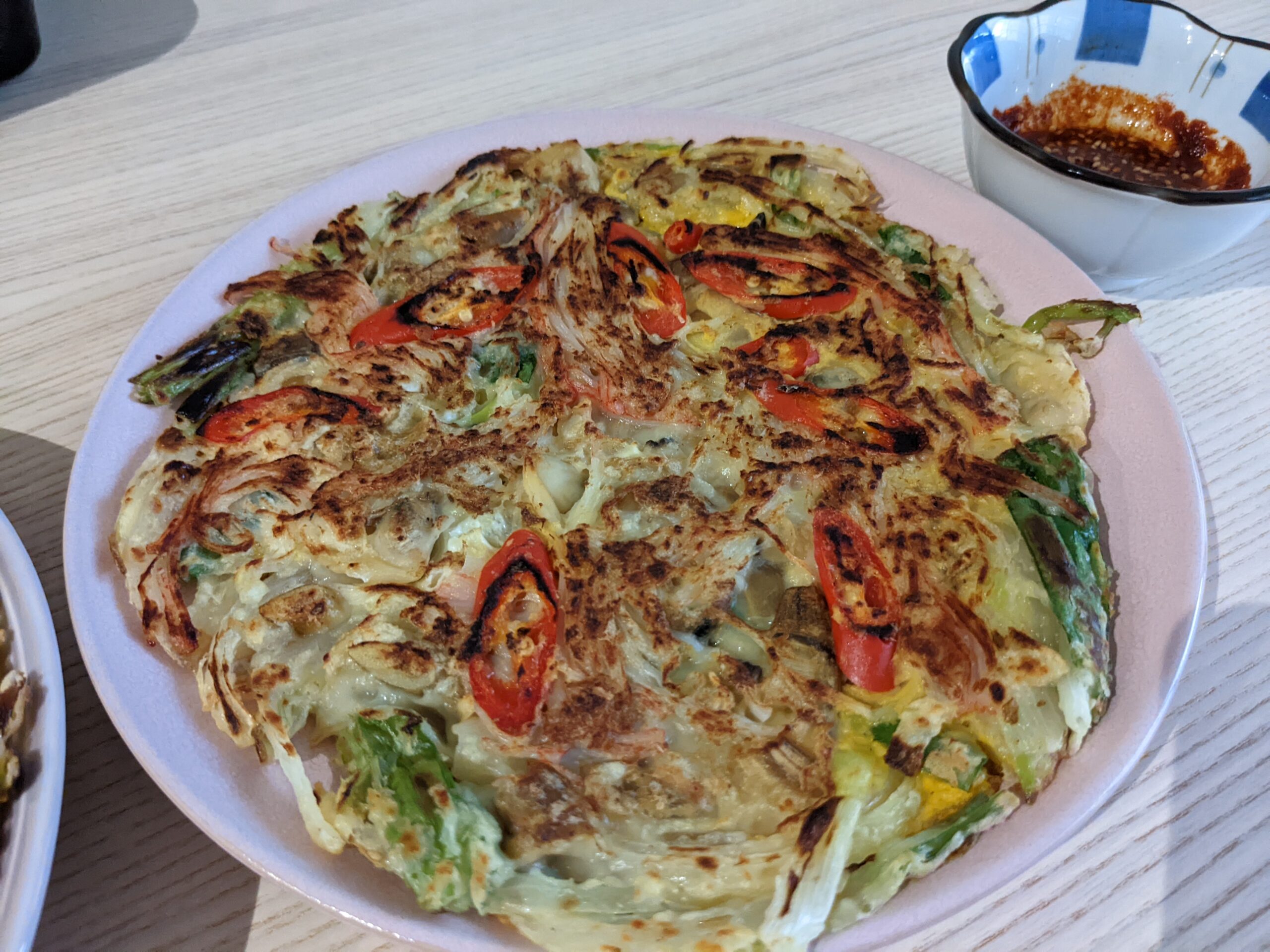
Not only is this a traditional dish in Korean shows, but also an actual popular favorite by eaters across in real life! I have tried making this since I was in college (not saying I made it often, just saying I made multiple attempts), but I never got close to the crispy texture I had in a few very good korean restaurants in the Bay or in Korea. Even in restaurants, seafood pancake could still be a hit or miss as some places don’t make it as crispy as I personally preferred.
-
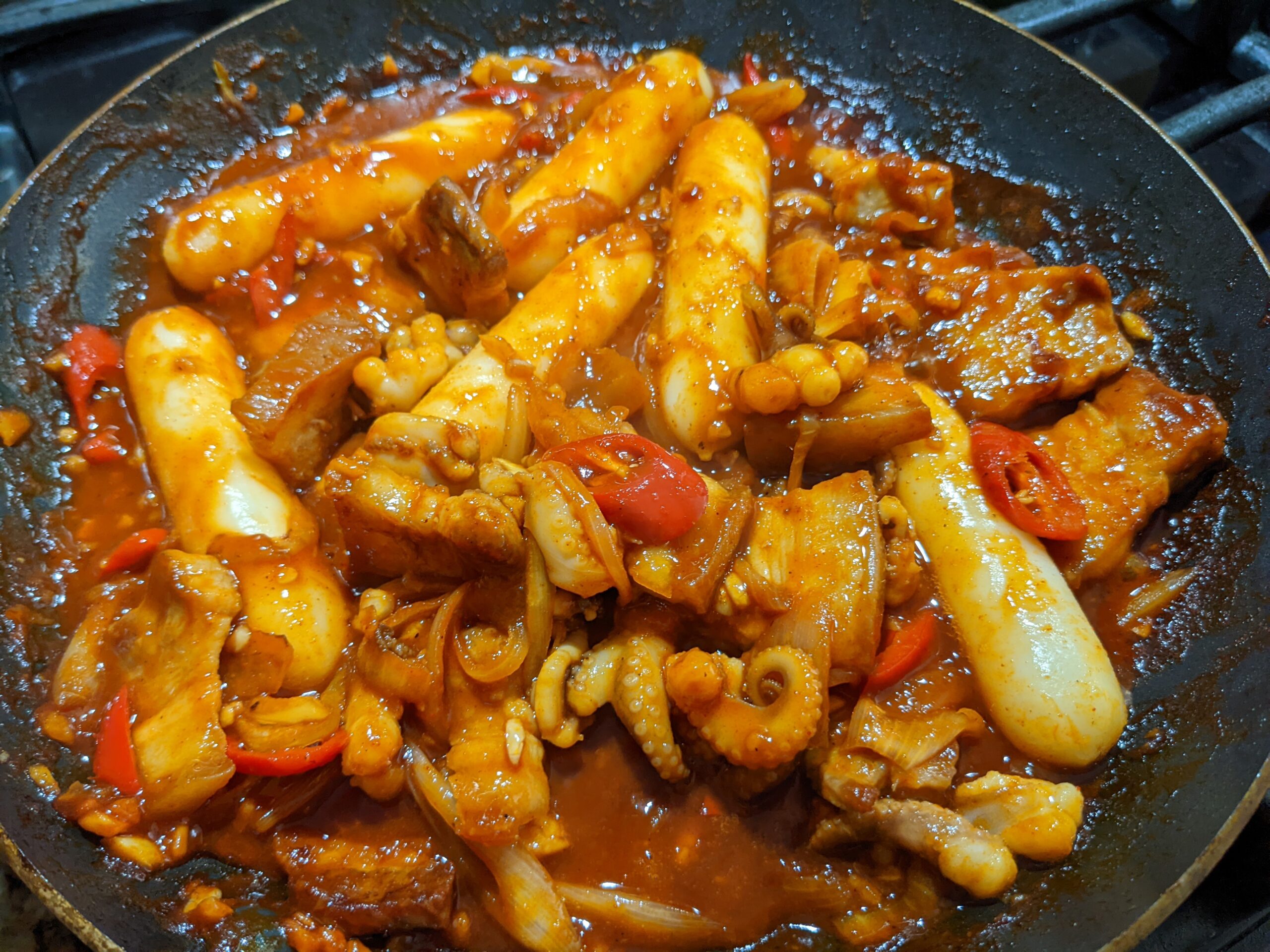
As someone who watch Kdrama, K-variety shows, of course I came across this dish in both K-drama when the actors ate at food booth by the road in cold winter, drinking soju to accompany the spice from this dish, stress from work, broken heart from dramatic love stories down the throat, and in variety show when guests consider this a traditional, easy-to-cook homemade dish.