My Lonely Planet to Hidden Gems Off the Map
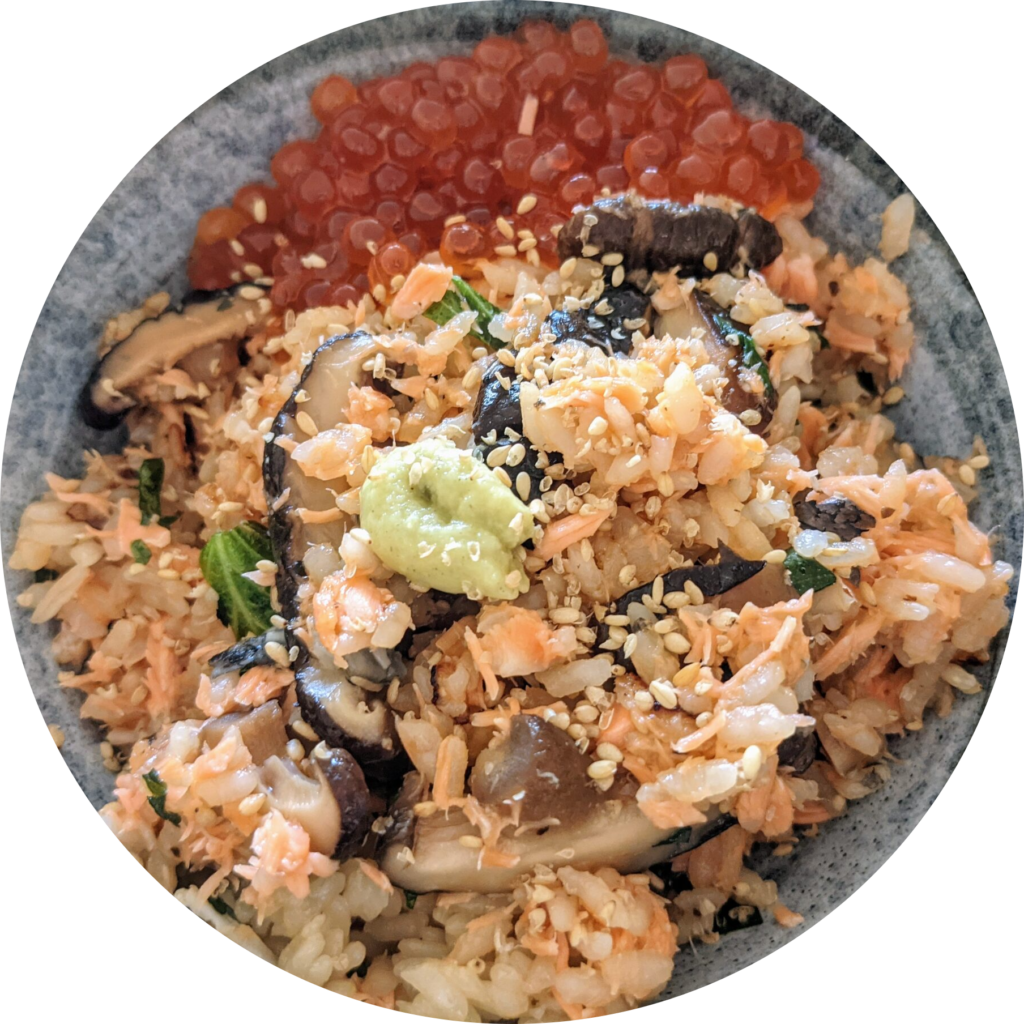
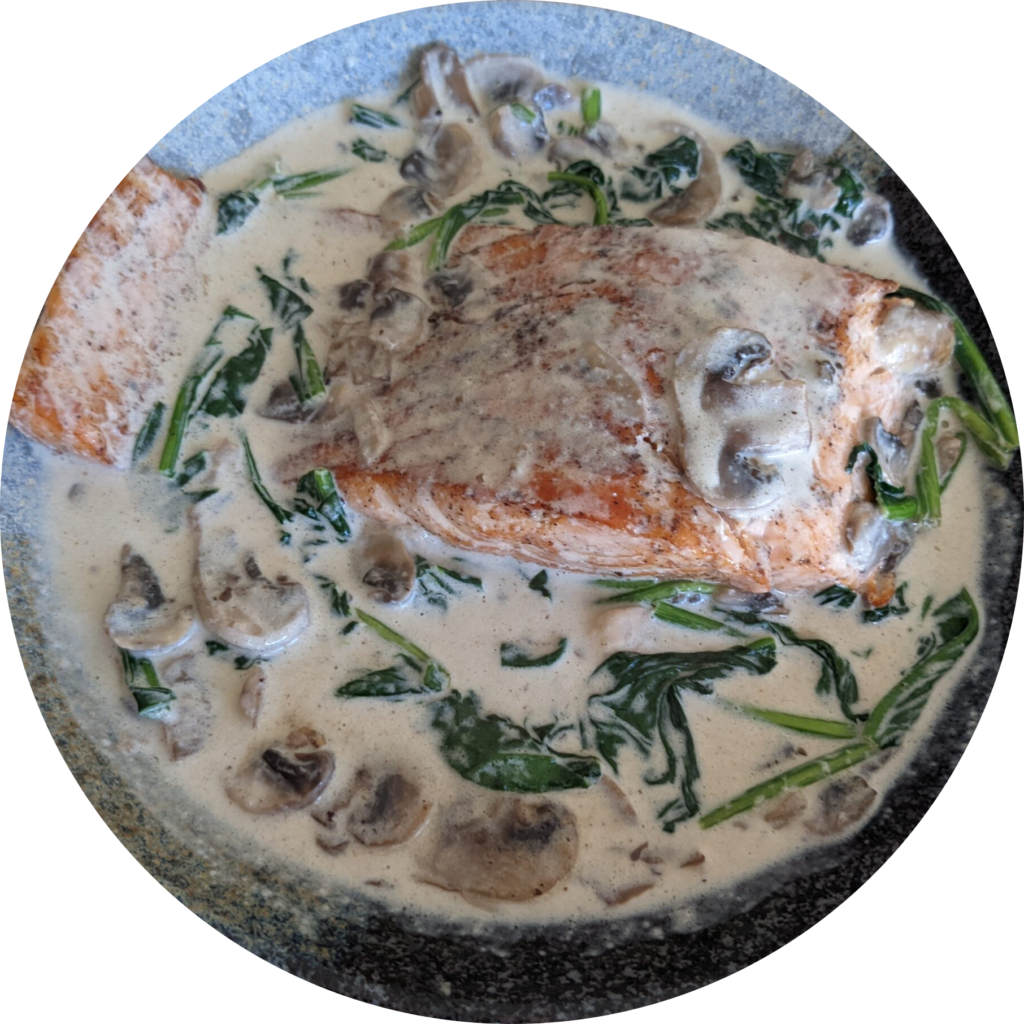
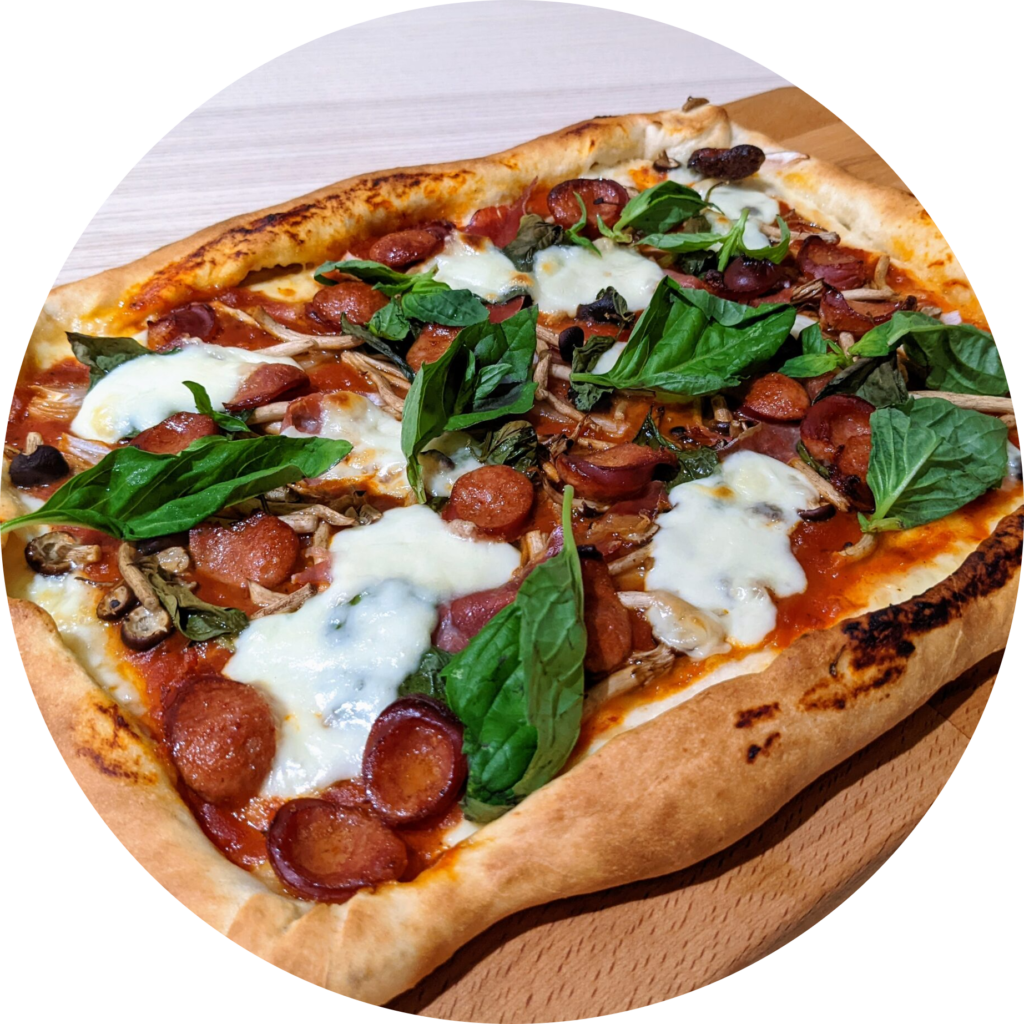
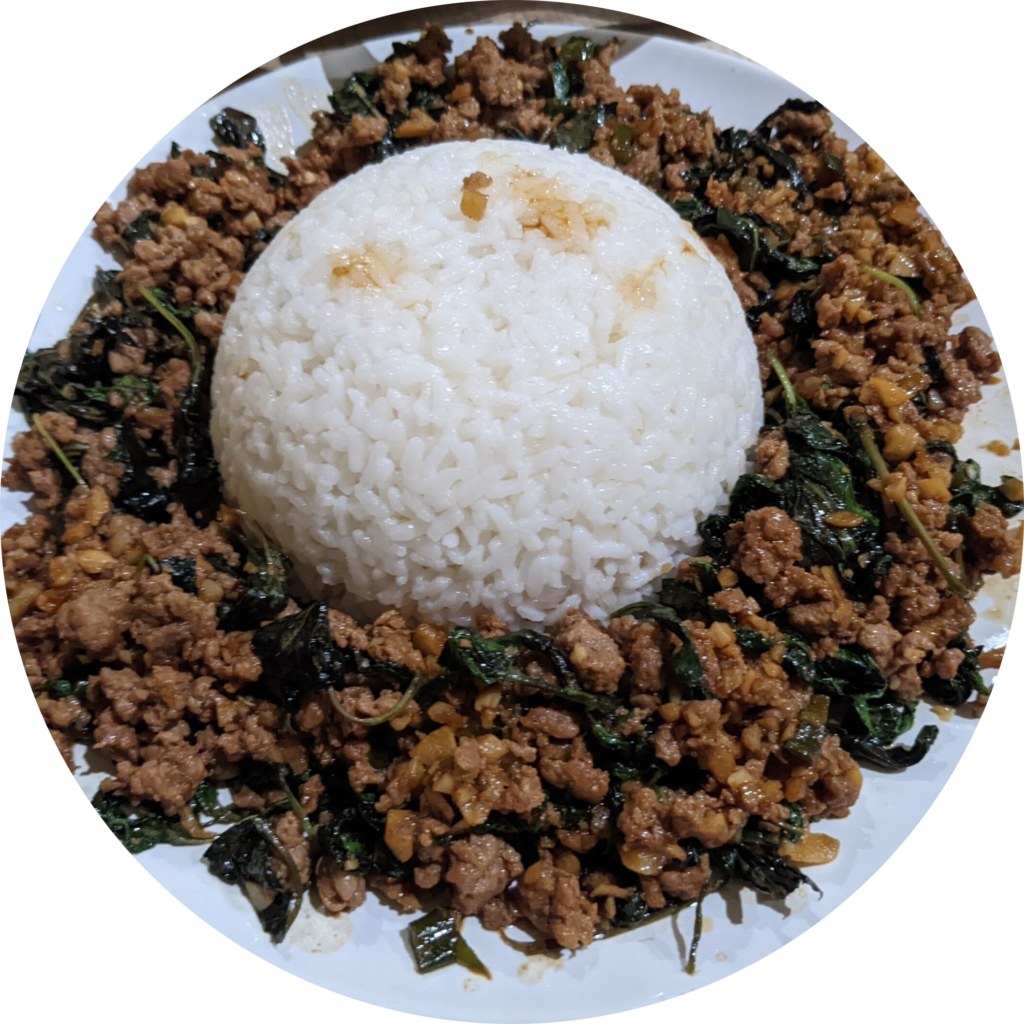

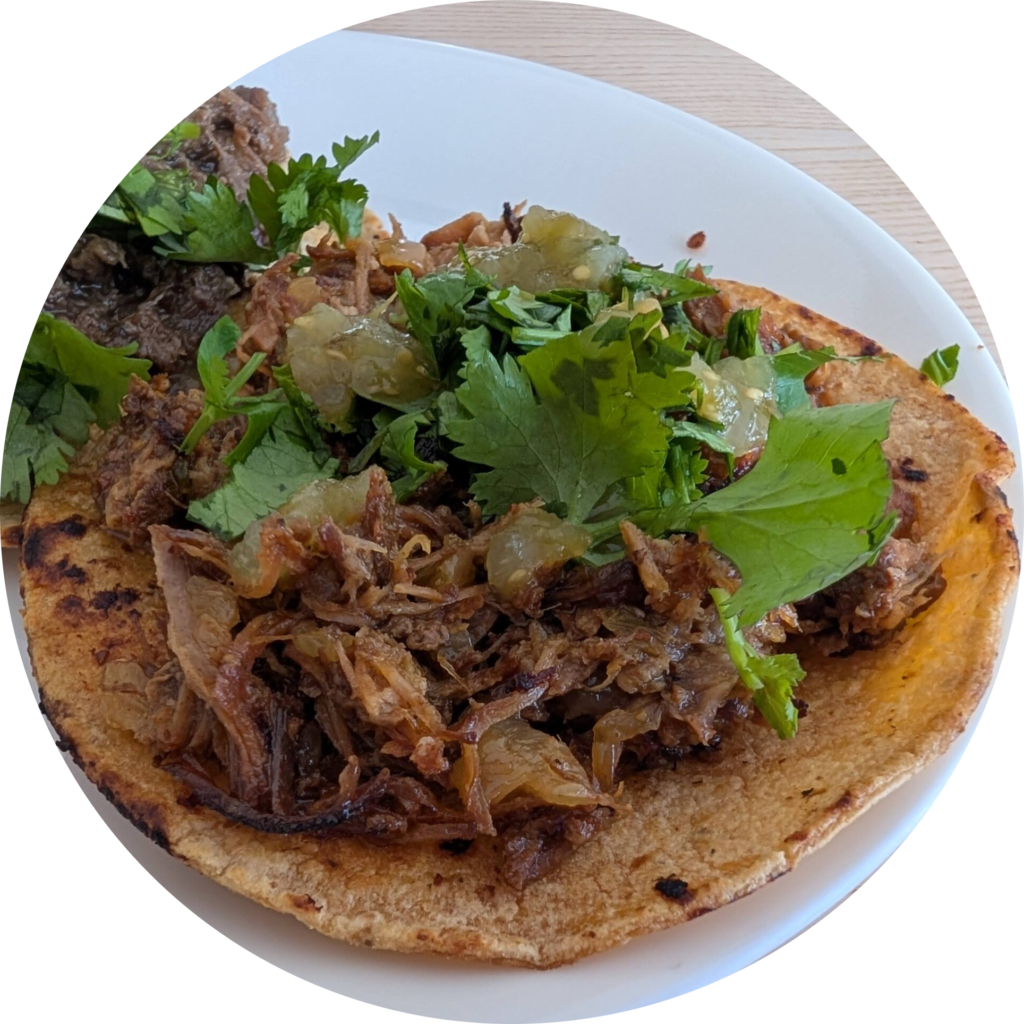

New Recipes (&Adventures)
Lab notebook documenting best practices, failure, reflection and resources just like a peer-reviewed paper (not really..)
-
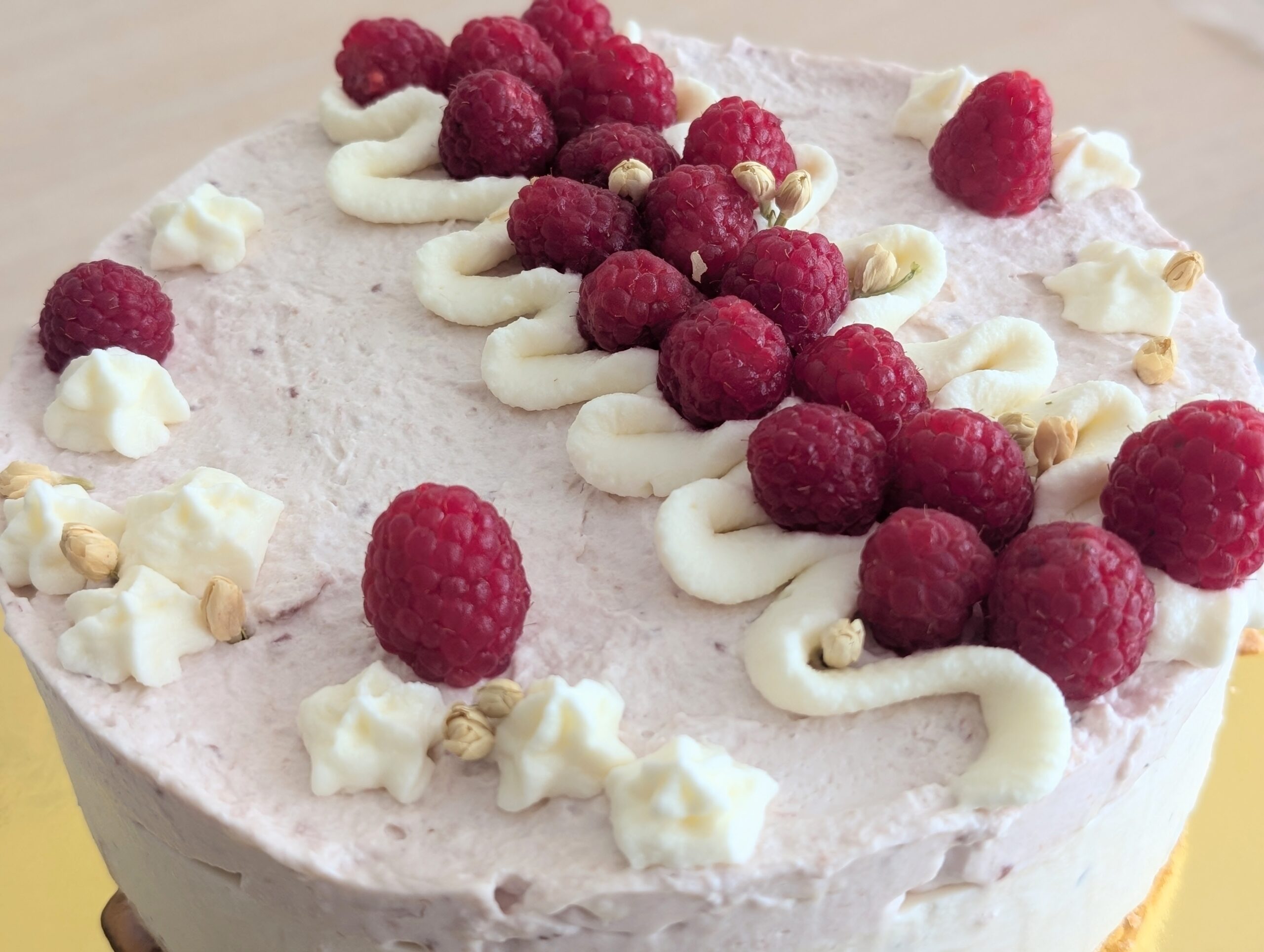
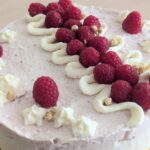
Raspberry Jasmine Mousse Cake
Charles has been making raspberry jasmine ice cream, so I decided to “borrow” (read: steal) his idea and turn this flavor combination into a mousse cake. ????
-
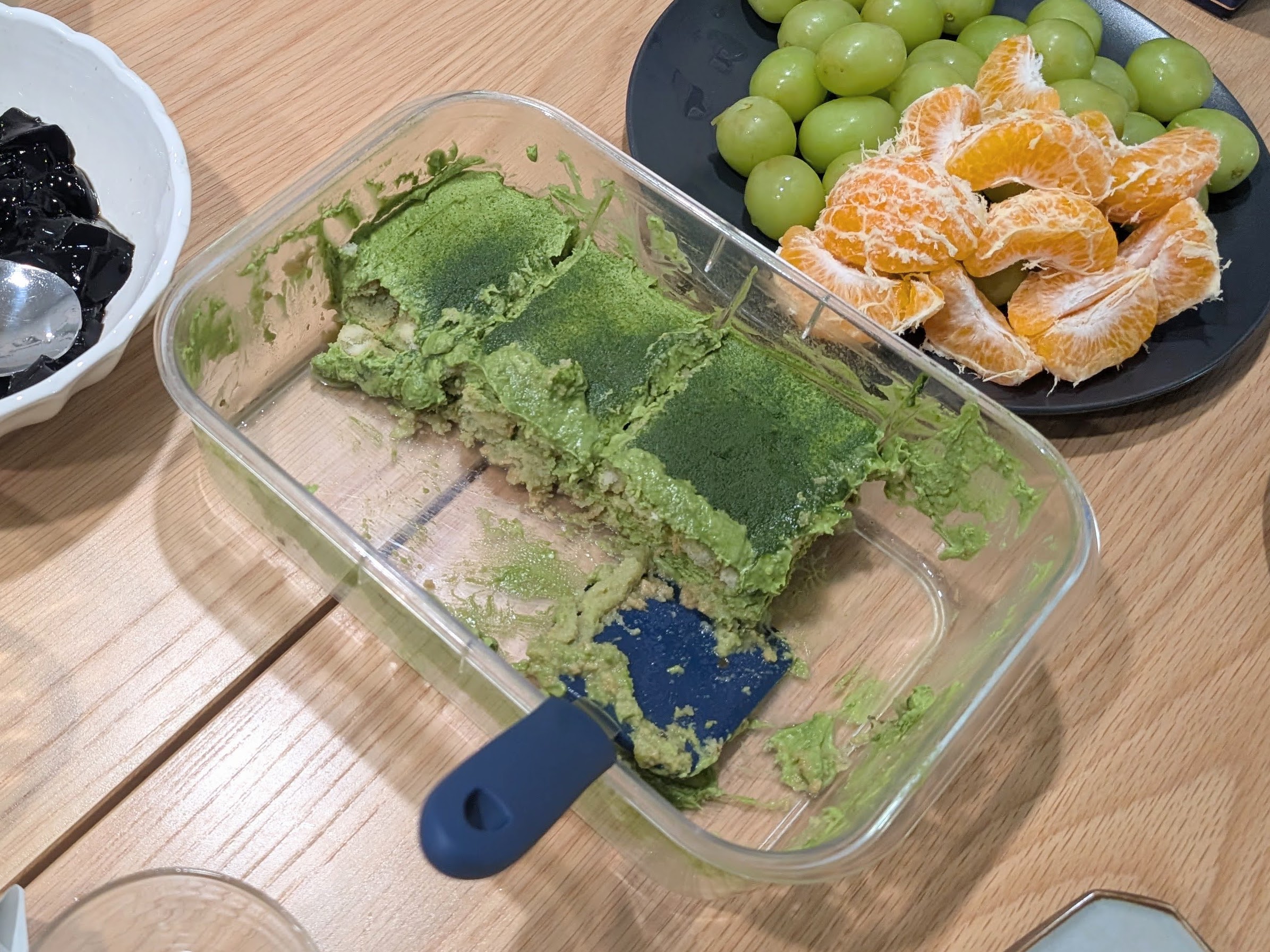
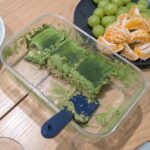
Jasmine Matcha Tiramisu
I first came across an Instagram recipe for Earl Grey matcha tiramisu, and since jasmine tea is one of my favorite teas, I decided to give it my own twist and use jasmine instead. Surprisingly, this is such a straightforward dessert to make! It’s definitely not a traditional tiramisu as the cream does not have egg. But it’s just as delicious, with the earthy matcha balanced by the fragrant jasmine tea.
-
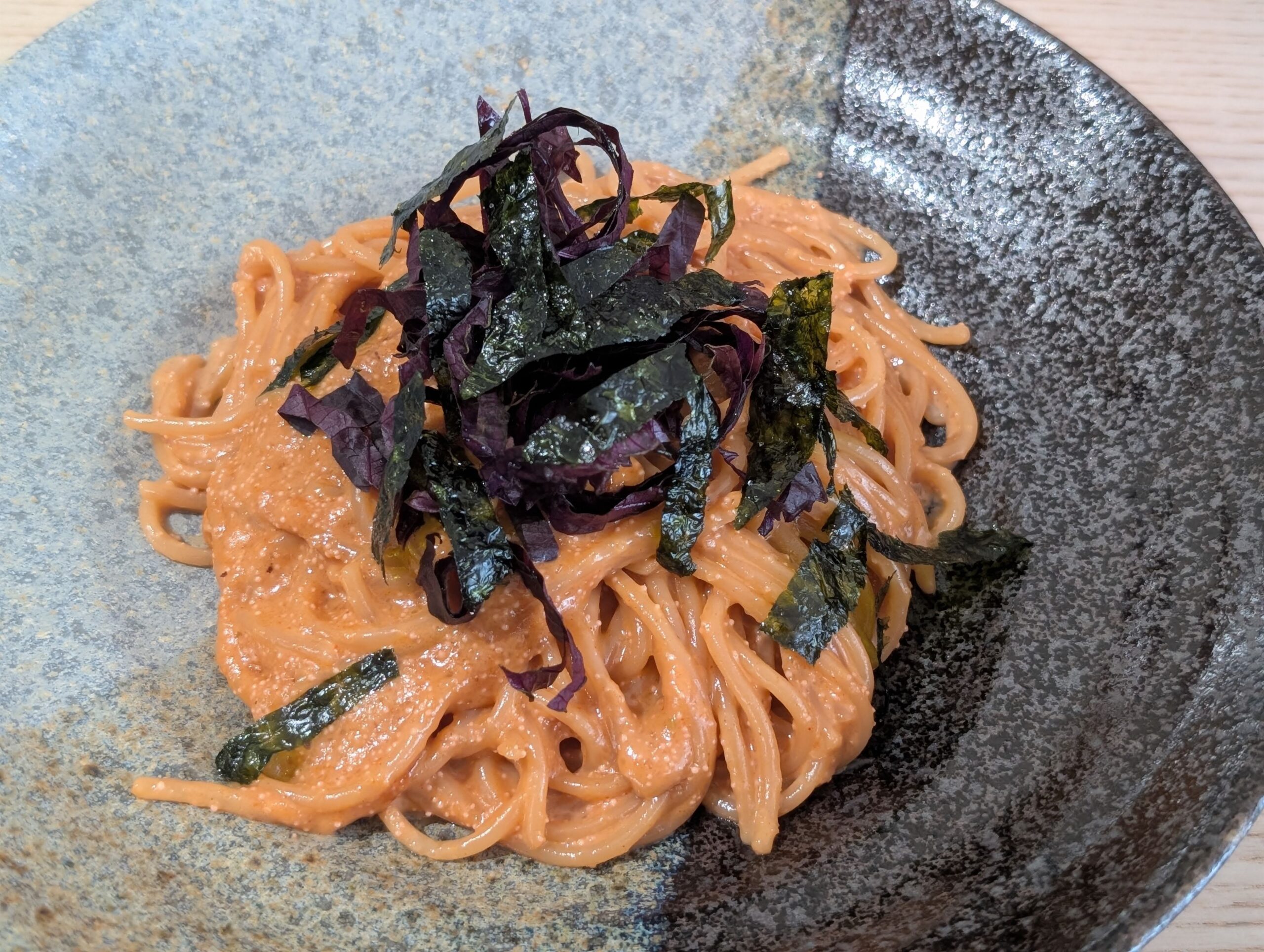
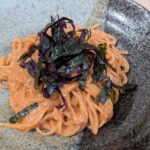
Mentaiko Spaghetti
The first time I had mentaiko spaghetti was at a Japanese-French fusion restaurant called Bon, Nene in San Francisco. I had never been a fan of fish roe, and in general, I find cooked fish too fishy. But the mentaiko sauce at Bon, Nene surprised me: creamy but not greasy, rich but somehow still refreshing, with a texture that hold on to every strand of spaghetti tightly. That dish hooked me on mentaiko ever since.
-
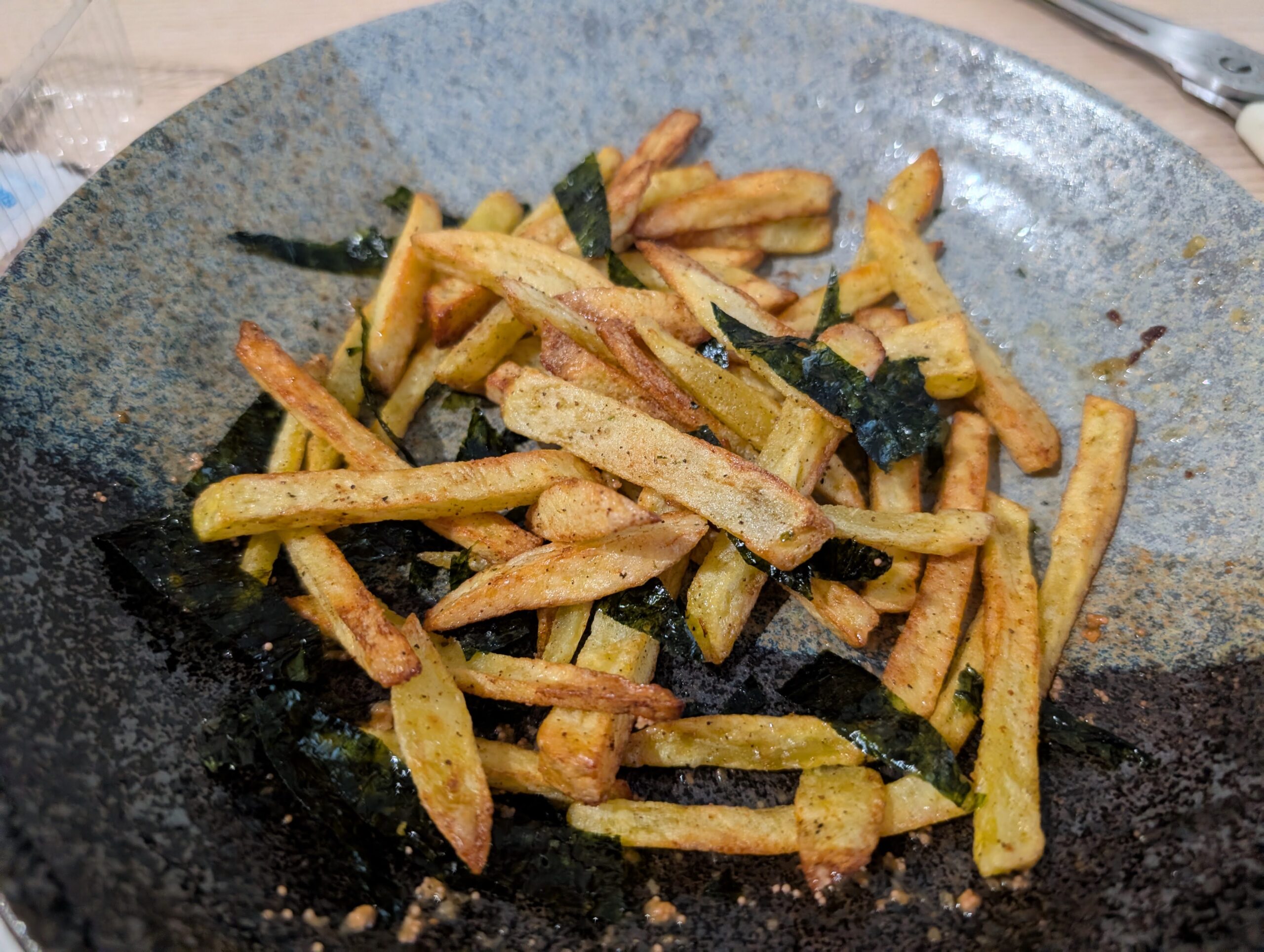
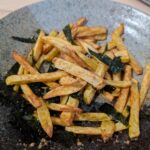
Air-Fried French Fries
Another air-fryer project because I was craving French fries after a new Super Duper Burger opened near me! Of course, I had to make it health(ier), but still crispy and satisfying.
-
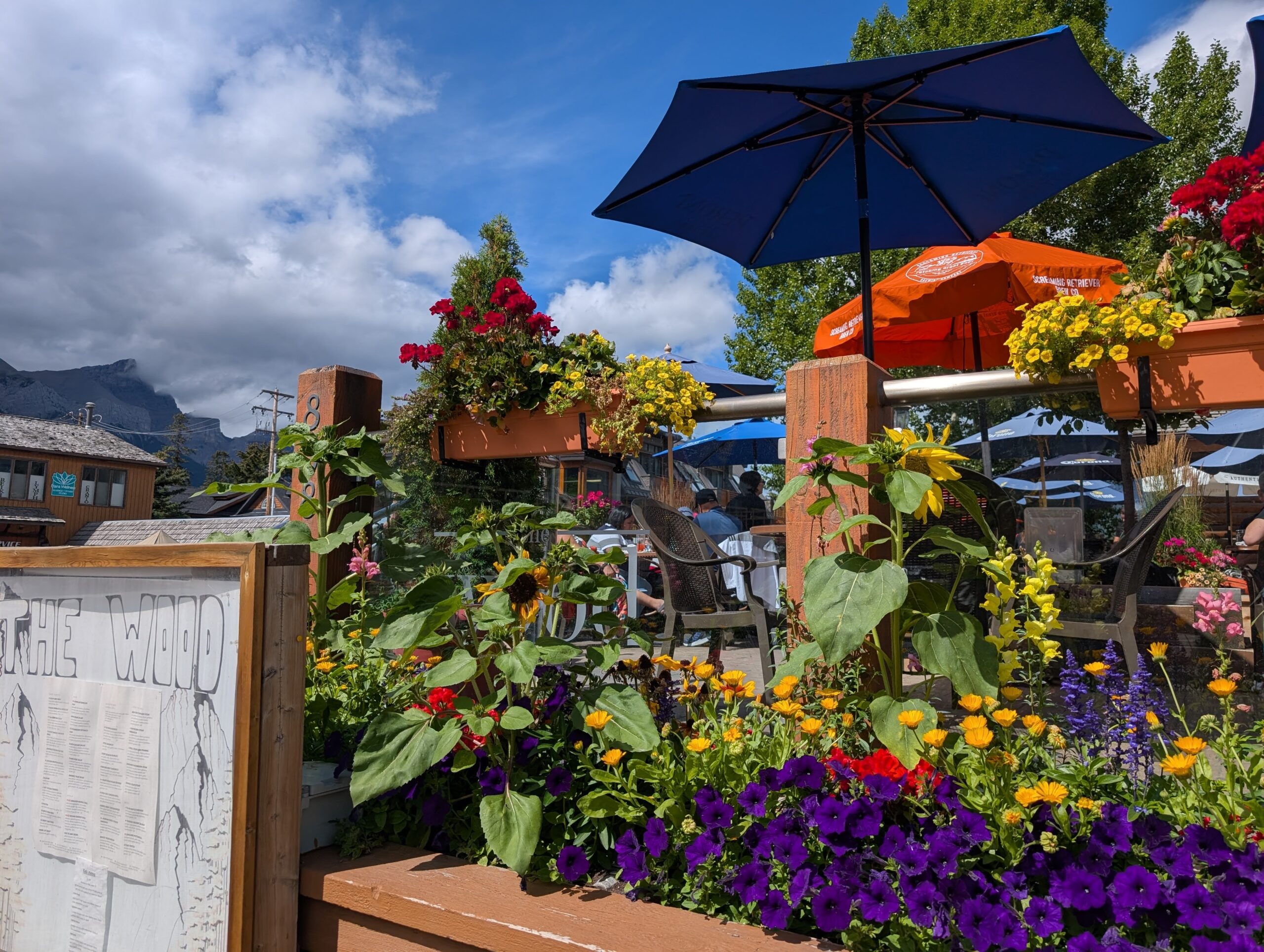
Canmore & Banff: Food + Walkaround Recommendations
Trips always fade faster than I expect, but somehow I can still remember exactly where we had our favorite meals. In Canmore and Banff, beyond the postcard views, it was the hidden alley restaurant with creative cocktails, the unexpectedly outstanding Indian food, the peaceful creek trail, and the whimsical riverside walk that kept coming back to mind long after we returned home.
-
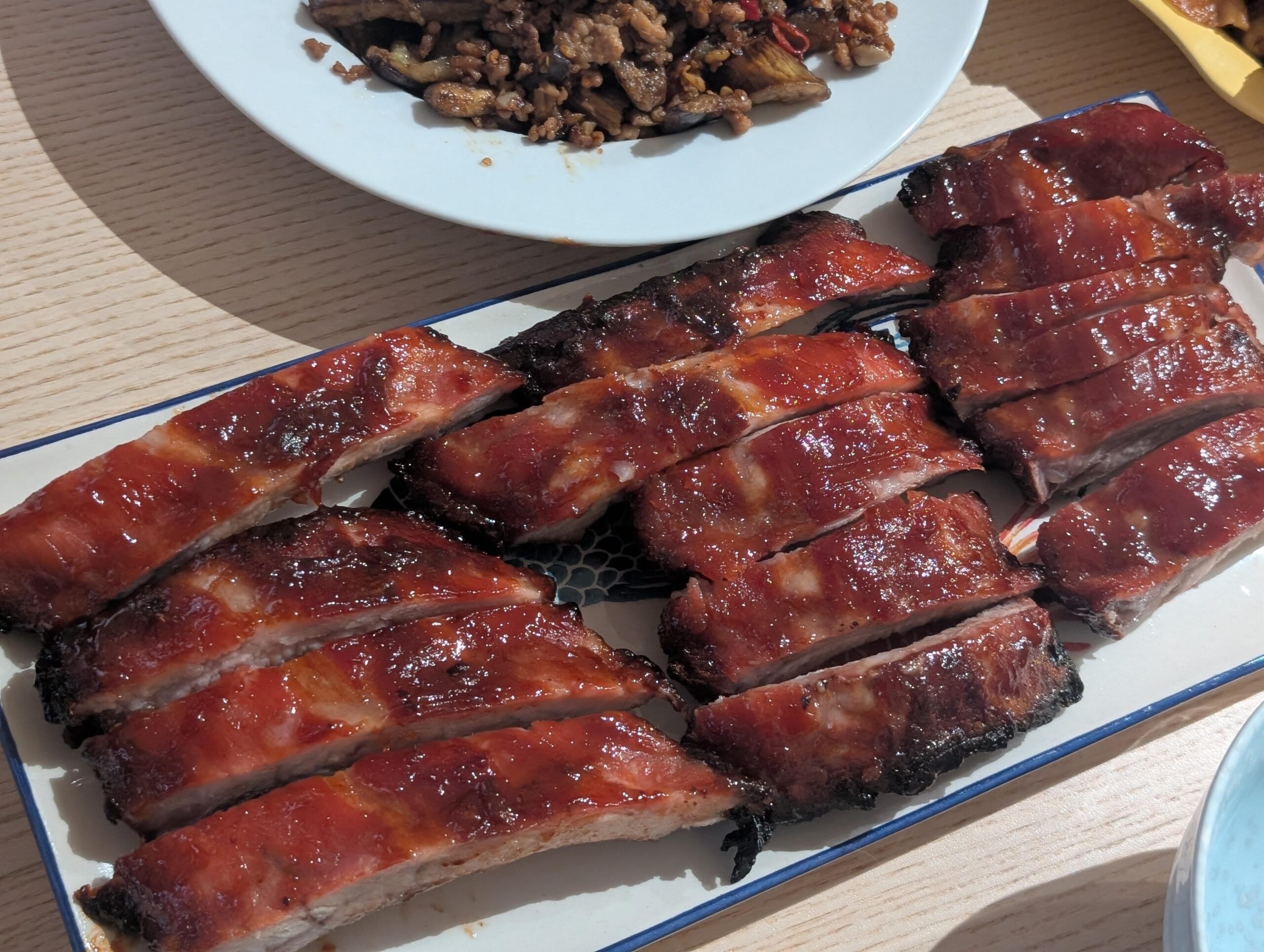
烧排骨 | Cantonese BBQ Ribs
A classic Cantonese BBQ platter is one of my favorite comfort foods. At a BBQ shop or Cantonese restaurant, it usually comes with a choice of soy sauce chicken or white-cut chicken, paired with one or two BBQ meats such as char siu, BBQ ribs, BBQ wings, or crispy roasted pork. Over the years, I’ve […]
-
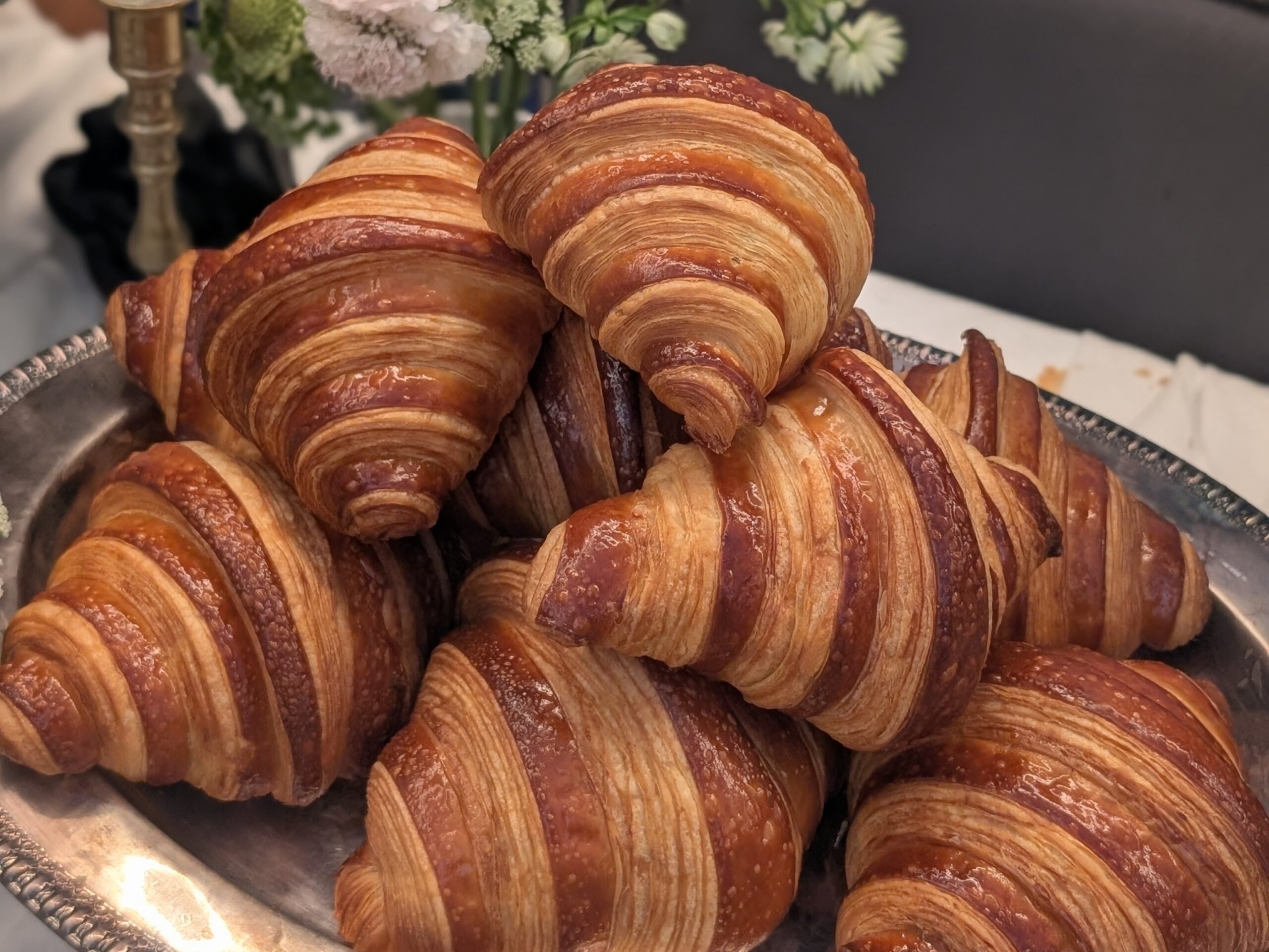
2026 San Francisco Best Croissant Competition
Judges’ Ranking My Personal Ranking Others finalists: Octavia, Le Marais, Bonjour Bakehouse, East Bay Bakery 1. Compagnon Bakery TL;DR: I think this is the rising star of the Bay Area croissant scene (menu and story here). Their Croissant au Beurre had everything I look for: fragrant butter, crispy exterior, airy lamination, and a light, flaky […]
-
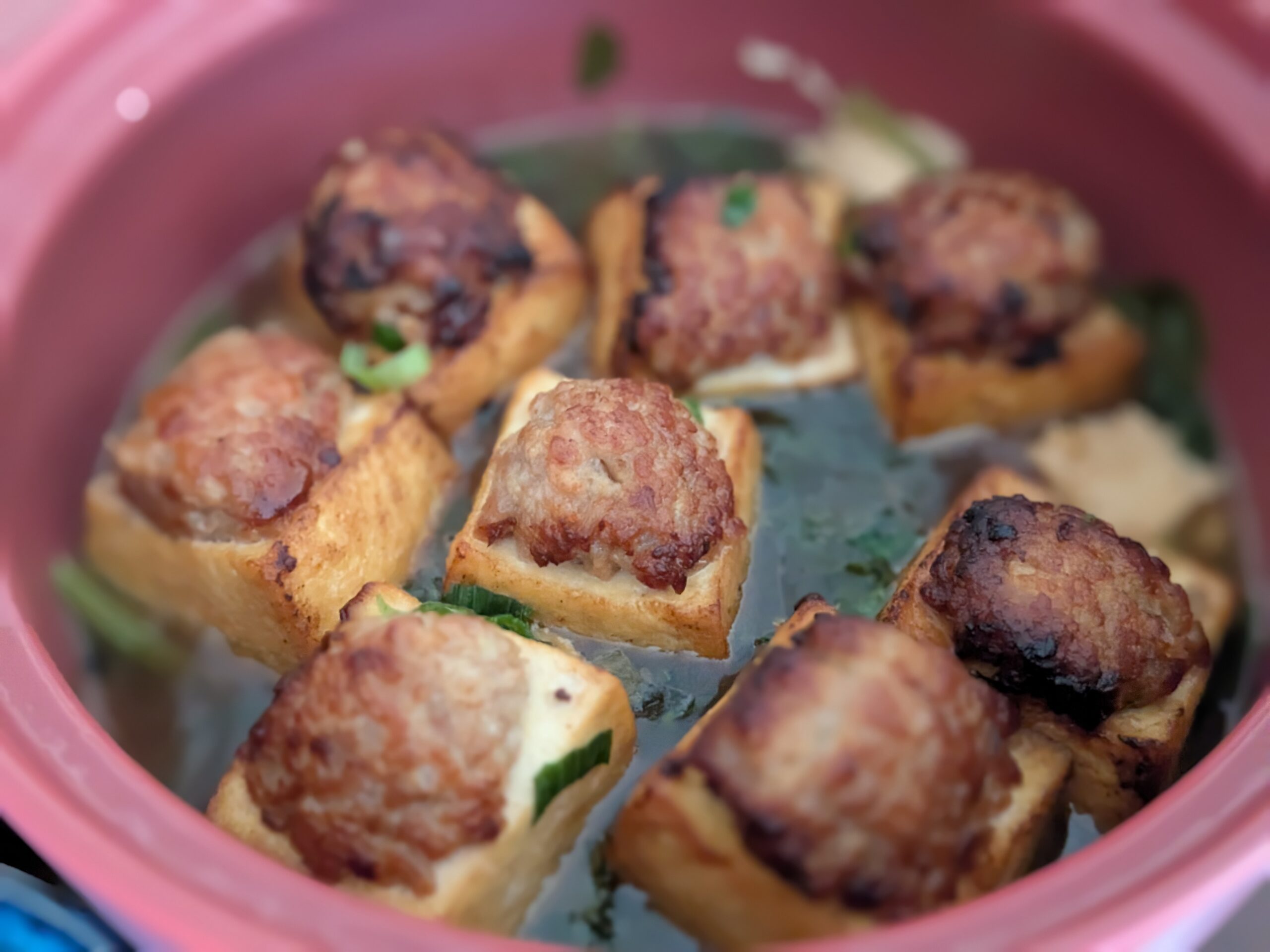
客家酿豆腐 | Hakka Yong tau foo (Tofu block stew)
Yong tau foo is one of the most representative Hakka dishes. My parents never made it at home, so I only got to enjoy it when we visited their Hakka friends for dinner or ordered it at a restaurant.
-
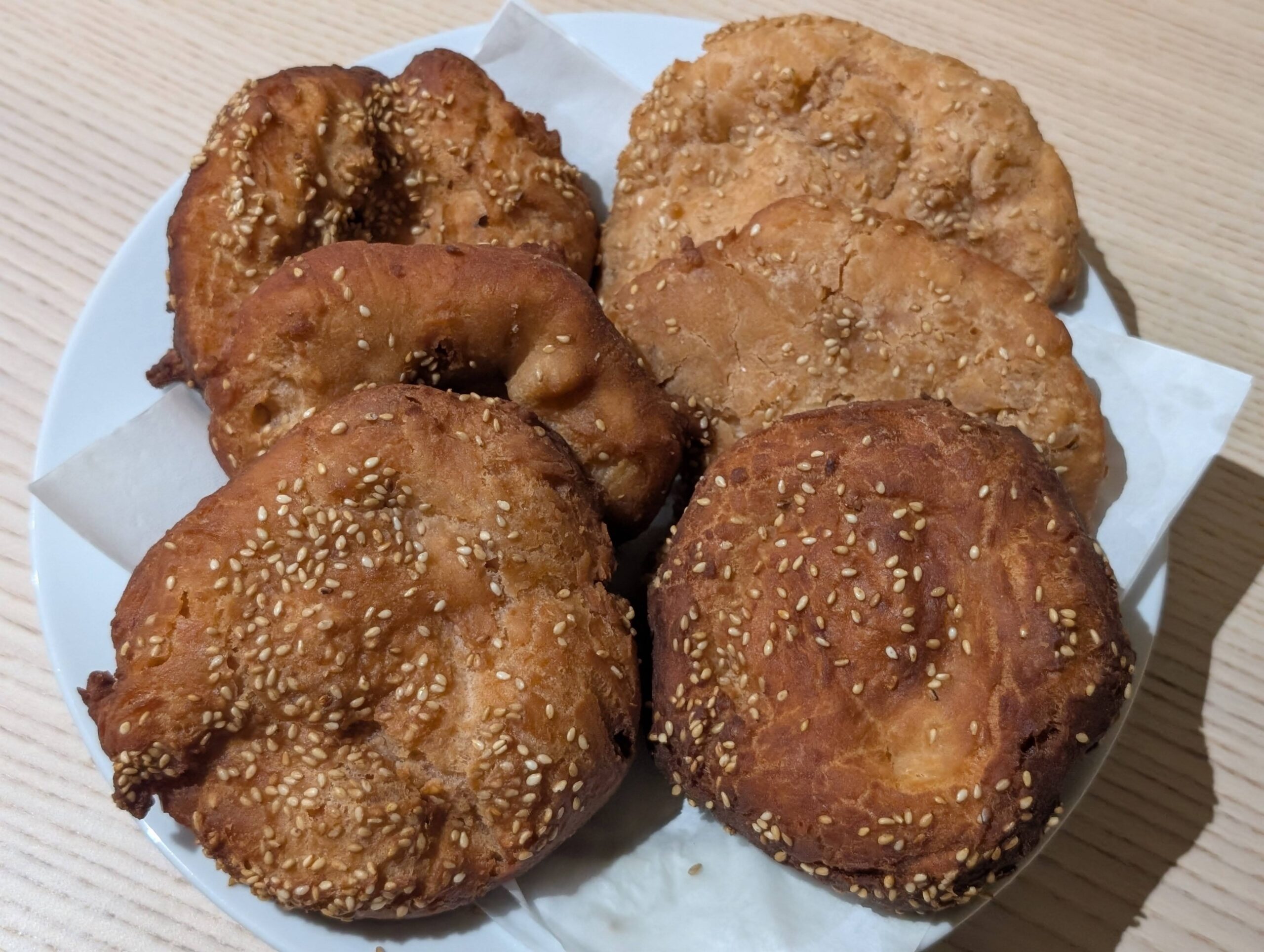
南乳咸煎饼 | Ham Chim Peng (Savory Donut) with Fermented Red Bean Curd
Other than steam rice rolls with beef and egg, Ham Chim Peng is the one thing I must eat every time I go back home. From what I’ve seen, <5 Cantonese restaurants in San Francisco sell it. It’s less common than the “beef tongue” fried pastry (which, by the way, contains no beef tongue, just named after its shape). But Ham Chim Peng is my true favorite, because I am completely obsessed with the subtle but distinct aroma of fermented red bean curd.